

Banking sector trends are redefining how financial institutions operate. With rapid advancements in technology, banks are evolving to meet customer needs more effectively.
As fintech disrupts traditional banking models, adaptation is crucial for survival. These changes present both challenges and opportunities in the financial landscape.
Stay informed about the future of banking and its impact on your finances. Keep reading to discover insights that could shape your financial decisions.
Current Digital Transformation in Banking
Current digital transformation in banking is reshaping how customers interact with their banks. Many people now use online banking apps to manage their finances smoothly from anywhere. This shift saves time, making it easier for users to transfer money, check balances, and pay bills.
Banks are investing in new technologies like artificial intelligence and chatbots. These tools help improve customer service by providing quick answers to frequently asked questions. Customers appreciate how these advancements make banking more convenient and user-friendly.
As digital services expand, traditional banks are also focusing on security. Protecting customer data is a priority, and new security measures are put in place to gain trust. This focus allows banks to innovate while keeping clients’ information safe and secure.
Impact of Fintech on Traditional Banking
The impact of fintech on traditional banking is changing how people manage their money. Fintech companies use technology to provide financial services that are often faster and cheaper than banks. This has forced traditional banks to rethink their services to keep up with customer demands.
Many customers now prefer using fintech apps for things like payments and savings. These apps offer features that make banking easier and more engaging. As a result, traditional banks are adopting similar technologies to enhance their services and attract younger clients.
Fintech also pushes banks to improve their customer service. With more competition, banks have realized they need to offer better support and user experiences. By embracing innovation and addressing customer needs, traditional banks can remain relevant in the changing financial landscape.
Sustainability Trends in the Banking Sector
Sustainability trends in the banking sector have become a major focus for banks around the world. Many financial institutions are now adopting eco-friendly practices to reduce their carbon footprint. This shift is important not only for the planet but also for attracting customers who care about environmental issues.
More banks are offering green loans and investments that focus on sustainable projects. These loans help fund renewable energy, sustainable agriculture, and eco-friendly housing. By supporting these initiatives, banks can play a vital role in promoting sustainable development and protecting the environment.
Additionally, banks are starting to measure their own environmental impact. They are setting goals to become carbon neutral and to support communities in sustainable ways. This growing commitment shows that the banking sector is ready to be part of the solution to global challenges like climate change.
The Rise of Open Banking
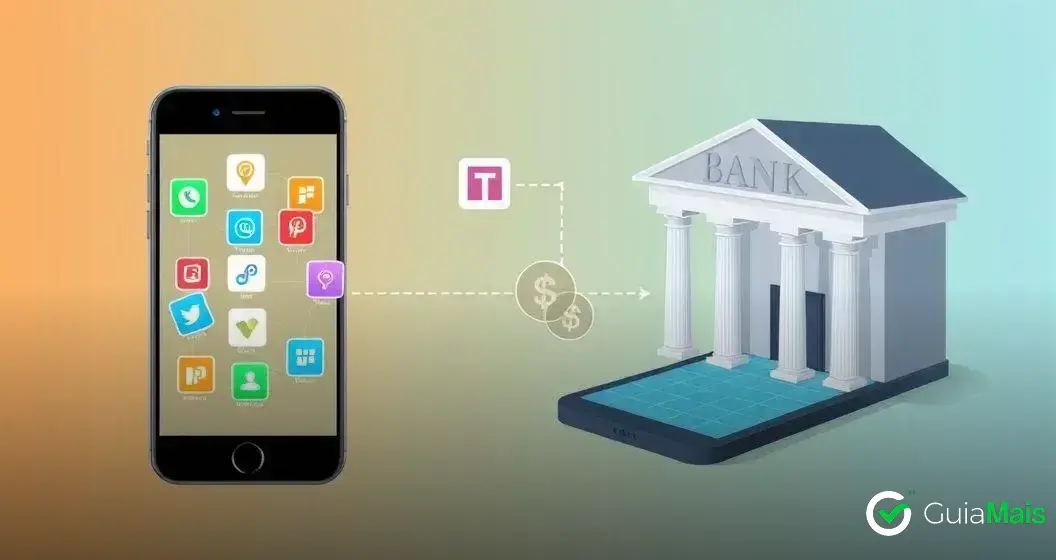
The rise of open banking is transforming the banking sector in exciting ways. Open banking allows customers to share their financial data with third-party providers through secure channels. This means that consumers can easily access a variety of financial services tailored to their needs from different providers, increasing convenience.
With open banking, new apps and services can help customers manage their money better. For example, these services can aggregate accounts, offer budgeting tools, and suggest personalized financial advice. As a result, customers can make smarter financial decisions and enjoy a more streamlined banking experience.
This trend encourages traditional banks to innovate. They must adapt by offering their own APIs and working with fintech companies. Through collaboration, banks can stay competitive while providing customers with a wider range of financial solutions, leading to a more dynamic future in banking.
Customer Experience Innovations
Customer experience innovations in the banking sector play a crucial role in meeting client expectations. Banks are now using technology to make banking easier and more enjoyable. For example, mobile apps provide quick access to account information, letting customers manage their finances on the go.
Personalization is another key aspect of these innovations. Banks analyze customer data to offer tailored services and products. This means that clients receive relevant offers based on their spending habits, creating a more engaging relationship with their bank.
Moreover, banks are focusing on improving communication with customers. Chatbots and virtual assistants are becoming common tools. These technologies allow clients to get immediate help without waiting in long queues, enhancing overall satisfaction and loyalty.
Regulatory Changes Affecting Banks
Regulatory changes affecting banks are shaping how financial institutions operate today. New rules are often designed to protect consumers and improve the overall stability of the banking system. These changes can impact everything from how banks manage risks to how they engage with their customers.
For example, regulations may require banks to maintain higher capital reserves. This means they must have more funds available to cover potential losses. While this strengthens the bank’s stability, it can also affect how much money they can lend to customers, potentially slowing down economic growth.
Additionally, many countries are introducing regulations focused on digital banking and data protection. Banks now need to ensure they have strong cybersecurity measures in place to protect customer information. As regulations evolve, banks must adapt quickly to remain compliant while also meeting the demands of tech-savvy customers.
Future Technologies Shaping Banking
Future technologies shaping banking are set to bring significant changes to the industry. One key advancement is the rise of artificial intelligence (AI). AI can help banks analyze large amounts of data quickly, allowing them to understand customer needs better and improve services. This means more personalized financial advice and faster transactions for consumers.
Another exciting technology is blockchain. This secure digital ledger can streamline transactions and reduce fraud by making it harder for information to be altered dishonestly. Blockchain also enables faster cross-border payments, making international banking more efficient for customers and businesses alike.
Finally, the Internet of Things (IoT) is starting to play a role in banking. Smart devices, like wearables, can provide real-time notifications about spending or savings. This connectivity helps customers stay on top of their finances and can lead to smarter financial choices, further influencing the future of banking.